
Improve Real-Time Threat Visibility Across Mobile Applications
In a fast-evolving threat landscape shaped by AI-driven attacks, understanding threats targeting your mobile applications is essential. The longer a threat remains undetected, the greater the potential impact. Real-time threat visibility helps identify suspicious activity early and enables timely action to limit damage.
Security teams also need to know which applications and devices are affected, whether threats are recurring, and how protection controls are responding. Without this insight, investigating incidents and assessing security effectiveness becomes more difficult.
What Is Real-Time Threat Visibility?
Real-time threat visibility provides insight into security events as they occur within deployed mobile applications. It helps organisations understand attempts to interfere with application execution, compromise app integrity, or bypass security controls, instead of relying only on periodic testing or incident reports.
For example, detecting a hooking attempt is one part of the process. Understanding the associated threat signal, identifying the affected application or device, and reviewing whether the attempt was blocked or requires investigation provide a more useful picture of the event. When similar signals appear across multiple devices, centralised reporting can also help security teams identify recurring patterns.
Effective threat visibility brings together runtime detection, contextual event reporting, centralised monitoring, and response workflows. This enables security teams to investigate threats with better context, review protection effectiveness, and make informed decisions about emerging risks across their mobile application environment.
Major Challenges With Limited Threat Visibility
Undetected Runtime Attacks
Limited Visibility Into Compromised Devices
Delayed Threat Identification
Application Tampering Without Timely Alerts
Limited Context About Security Events
Difficulty Identifying Recurring Attack Patterns
Fragmented Security Monitoring
Delayed Incident Investigation
Limited Visibility Across Applications and Devices
Insufficient Post-Deployment Security Monitoring
Why Is Real-Time Threat Visibility Becoming Critical?
263 Days to Identify and Contain a Breach in India
IBM's 2026 Cost of a Data Breach Report reported an average breach lifecycle of 263 days in India, covering the time to identify and contain a breach and restore services. This illustrates the operational impact of delayed detection and response, although the figure covers data breaches broadly rather than mobile runtime attacks specifically.
₹25.5 Crore Average Cost of a Data Breach
The average organisational cost of a data breach in India reached ₹25.5 crore in 2026. Limited visibility can make it harder for organisations to identify and investigate security incidents promptly, although threat visibility alone does not prevent every breach.
68% Have Limited or No Security Automation
According to IBM's 2026 India findings, 68% of surveyed organisations reported limited or no use of AI and security automation. Limited automation can increase dependence on manual investigation and response.
61 Days Can Matter for Threat Response
Palo Alto Network$apos;s Unit 42 research highlights how quickly attackers can progress through an environment, with some reported intrusions reaching data exfiltration within hours. This reinforces the need for timely detection, actionable alerts, and response capabilities rather than relying only on periodic security reviews.
Lack of Threat Visibility Can Become Business Risk
When runtime attacks occur without adequate visibility, organisations may struggle to establish the scope of an incident, identify affected devices, recognise recurring attack patterns, or determine whether application protections are working as intended.
For CISOs, CTOs, Heads of Information Security, AppSec, DevSecOps, developers, and fraud teams, this creates a critical question:
Can your security team see what is happening to your mobile applications after they reach user's devices?
Limited threat visibility can contribute to:
Why Must Mobile App Security Continue After Deployment?
Pre-release security testing helps identify vulnerabilities before an application reaches users. However, applications operate in environments that organisations do not fully control. Attackers can instrument applications, manipulate runtime behaviour, tamper with binaries, or attempt to bypass security controls after deployment.
A stronger approach combines:
Security Testing + Runtime Threat Detection & Response + Real-Time Security Analytics + Centralised Threat Visibility
Runtime protection can identify security threats as they occur, while threat analytics help security teams understand events across applications and devices. Centralised reporting and response capabilities support investigation and policy updates as new attack patterns emerge.
Security teams need visibility not only into whether a threat was detected, but also into which application was affected, what type of threat occurred, and how the security controls responded.
What Bugsmirror MASST Delivers?
Real-Time Runtime Threat Detection
Bugsmirror Defender detects runtime threats such as hooking, code injection, debugging, application tampering, repackaging, and compromised environments. These signals help identify attempts to manipulate application behaviour after deployment. Bugsmirror Shield hardens mobile applications against reverse engineering and code extraction. With its TAB (Trust API Bind), backend systems validate runtime security signals associated with sensitive API requests.
Application Integrity Monitoring
Runtime integrity checks help identify modified or repackaged application instances and other attempts to alter the expected application environment.
Centralised Threat Monitoring
ThreatLens consolidates runtime security visibility across applications, users, and devices, helping security teams review security events and identify potential attack patterns. Update supported security controls through OTA (Over-The-Air) without resubmitting the app to the marketplace. Whitelist genuine users using unsupported or insecure devices after thorough verification.
Automated Security Validation Across the DevSecOps
By combining static testing, dynamic testing, API security assessment, and runtime protection, Bugsmirror MASST helps teams integrate security checks across complete DevSecOps. This supports earlier identification of weaknesses and reduces dependence on security testing performed only at the end of the release cycle.
Strengthen Mobile App Threat Visibility
Empowering leading enterprises to protect their digital assets with next-generation security.



















Let's Talk Security
Fill out the form below and our security experts will reach out to you shortly.
FAQs

Explore related content
Learn about mobile app protection, threat visibility, RASP, and app shielding.

Why Real-Time Threat Visibility Matters for Mobile App Security
Mobile app security does not end after testing or deployment. Attackers continuously look for ways to bypass security controls, exploit vulnerable environments, and manipulate applications. This blog explains the importance of real-time threat visibility, how continuous threat monitoring helps security teams understand attacks in production, and how organizations can use threat intelligence to detect patterns and respond before incidents lead to fraud, data exposure, or financial loss.
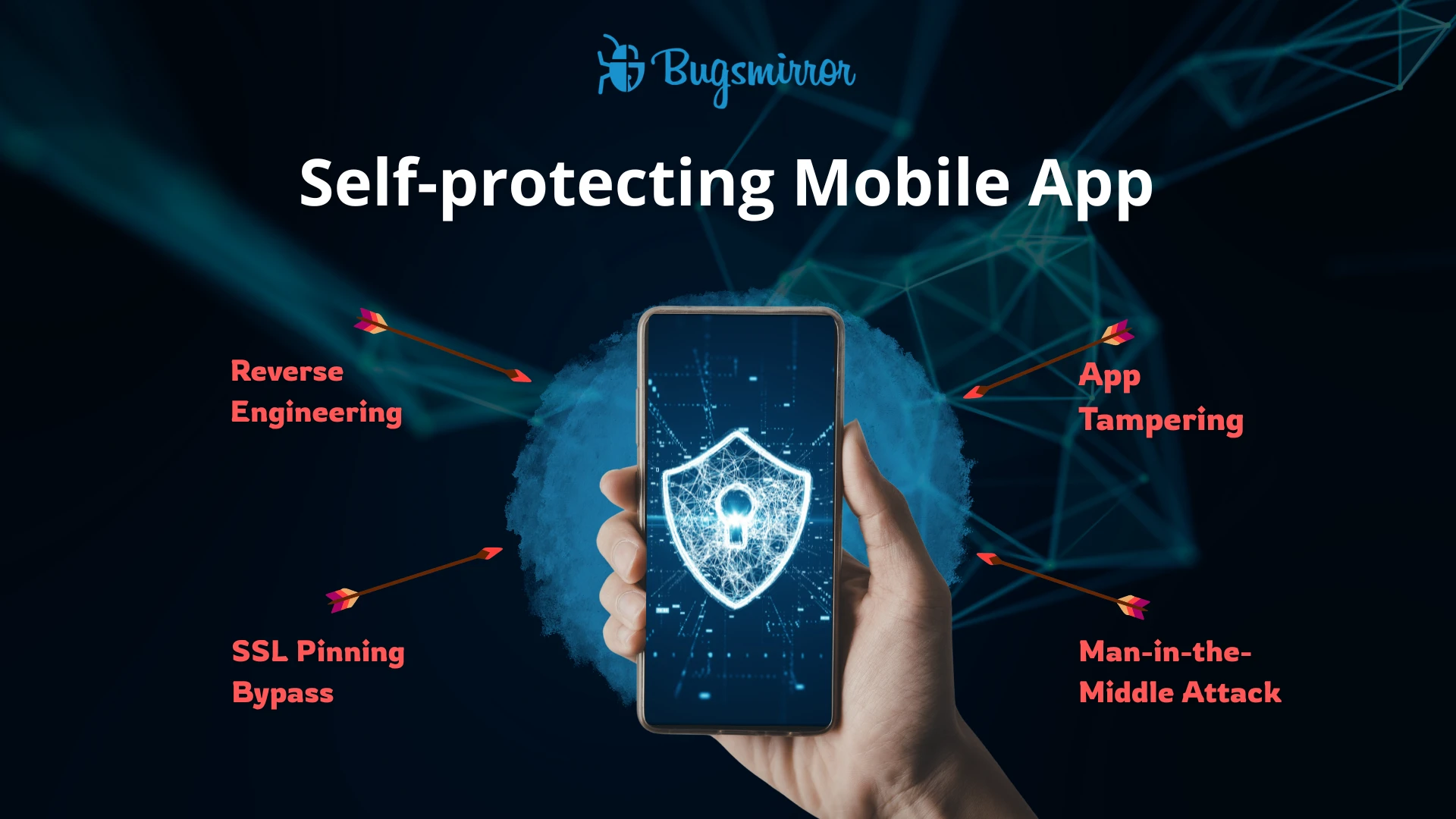)
How can one make self-protecting mobile apps?
Mobile applications operate in untrusted environments where attackers attempt reverse engineering, runtime manipulation, data interception, and tampering. Building self-protecting mobile apps requires embedding runtime security controls directly within the application. This blog explains how developers can implement RASP (Runtime Application Self-Protection), app shielding, device integrity checks, secure communication controls, and anti-tampering mechanisms to strengthen mobile security.